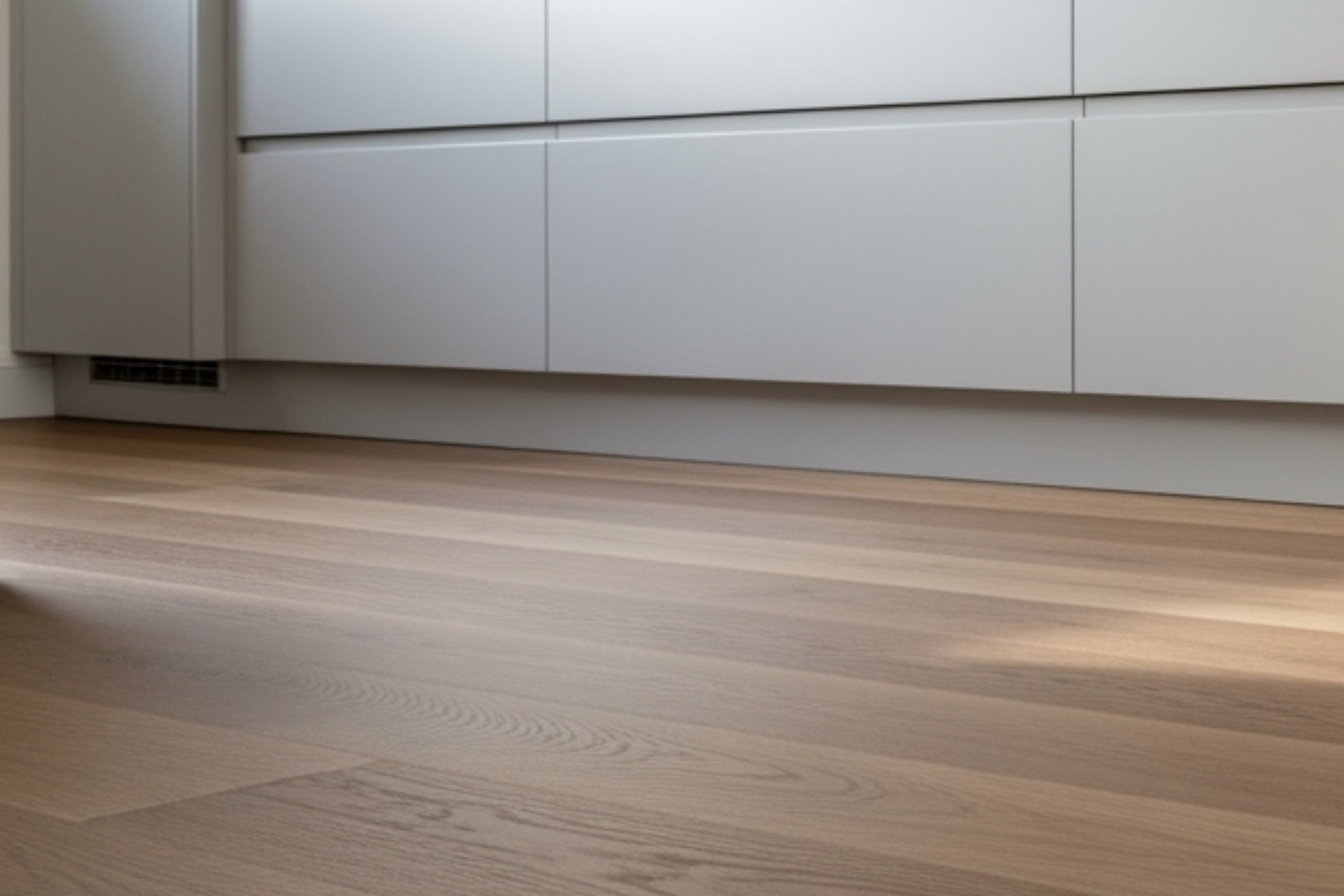
When planning a kitchen renovation or new construction, cabinets and counter tops often take center stage, but the choice of flooring is equally fundamental. Kitchen floors are subjected to more demand than almost any other surface in the home—they bear the brunt of dropped pans, spilled liquids, constant foot traffic, and the weight of heavy appliances. A well-chosen kitchen floor is not only built to withstand these challenges, but also acts as the foundation for your room’s aesthetics, tying together the colors, textures, and materials of your cabinets and counter tops.
Beyond everyday practicality, the right flooring can significantly influence your kitchen’s overall appeal and the value of your property. Many homeowners and professionals opt to replace kitchen floors during remodels, knowing that upgraded materials bring both immediate functional benefits and long-term gains in durability and maintenance ease.
A harmonious floor is crucial for a cohesive design, ensuring that cabinets and counter tops are properly complemented, not overshadowed or disconnected. In short, the best kitchen flooring is one that stands up to daily life while enhancing—and never competing with—the custom cabinetry and counter tops you’ve chosen.
Selecting the optimal kitchen flooring means balancing looks, resilience, and functionality to suit how your kitchen gets used. Here’s a breakdown of the top contenders:
Hardwood: Renowned for its timeless warmth and natural beauty, hardwood flooring can be sanded and refinished multiple times, making it a long-term investment. Its classic look pairs effortlessly with most custom cabinet styles. Ideal for traditional or high-end kitchens, it does require quick spill cleanups and mats in busy zones to prevent water damage.
Vinyl (including SPC): Modern vinyl, especially Stone Plastic Composite (SPC) varieties, offers authentic wood or stone visuals with excellent waterproof and scratch-resistant properties. Softer underfoot and affordable, it’s well-suited to busy families and high-traffic kitchens needing extra moisture protection. Installation is often straightforward—many options are DIY-friendly.
Tile (Porcelain, Ceramic, Natural Stone): Tile is unmatched for water, heat, and stain resistance, making it a favorite for spill-prone or open-plan kitchens. It comes in a wide range of shapes, sizes, and finishes, allowing bold design choices like large-format tiles in small spaces or striking geometric patterns. Tiles are durable and compatible with radiant floor heating, but professional installation and regular grout care are recommended.
Laminate: Designed to mimic hardwood or tile, laminate is a budget-conscious choice that resists scratches and fading. Newer, water-resistant versions add another layer of practicality. Laminate is simple to install, making it attractive for rentals, busy homes, or quick remodels.
Engineered Wood: This option blends real wood veneer with a stable core, offering the look of hardwood with better resistance to moisture and temperature shifts. Easier to install than solid hardwood, it comes in a range of finishes, and lighter tones can brighten up compact kitchens.
Matching flooring performance to your household—whether bustling with activity or designed for long-term value—ensures your kitchen not only looks great but stands the test of time.
A truly impressive kitchen isn’t just functional—it’s visually unified. Achieving this effect means thoughtfully coordinating your flooring with both cabinet design and counter top style. The interplay of textures, colors, and sheens can dramatically influence the ambiance and perceived space of your kitchen.
For a light and airy atmosphere, soft neutrals or pale grey floors reflect light and work beautifully with white shaker cabinets, natural wood trims, and subtle marble or brushed nickel counters. This combination is especially effective in making small kitchens feel larger and more inviting.
Contemporary kitchens often embrace smoky greys or matte concrete-look floors, providing a sleek base for stainless appliances and deep blue or black cabinetry. The contrast here is striking, lending a sophisticated, urban feel.
If you prefer a rustic or traditional look, opt for warm wood tones such as toasted pine, oak, or burnt sienna. These shades pair seamlessly with classic cabinet faces and add comfort to farmhouse aesthetics. Dark espresso floors offer a dramatic counterpoint to light counters and brass fixtures, anchoring the design.
For coastal or casual vibes, weathered driftwood or pale ivory flooring creates a breezy, beach-house effect. Pair with navy or sea-glass colored cabinets and crisp white subway tile for a relaxed yet fresh setting.
Timeless kitchens get a lively twist with medium to dark floors like Java Hut or Vintage Maple, which provide depth and work well with light cabinetry and quartz counters. Premium designer vinyl or SPC planks offer high-end looks for both modern and farmhouse kitchens—delivering resilience without sacrificing style.
The key is to decide whether you want your flooring to act as a subtle backdrop or a bold statement, and to ensure its color and material support your cabinet and counter top choices, rather than compete with them.
Proper installation is the foundation of a kitchen floor that lasts. No matter which material you choose, the subfloor must be impeccably clean, level, and dry before installation begins. Overlooking this step can lead to uneven surfaces, premature wear, or even structural issues down the line.
Some flooring materials, such as vinyl and laminate, are designed with do-it-yourself installation in mind, featuring click-lock or peel-and-stick mechanisms. These can be excellent choices for quick updates or budget-conscious projects. Conversely, tile and hardwood installations typically demand professional expertise to ensure longevity and a flawless finish.
Always allow for expansion gaps around the perimeter of the room—this simple step prevents buckling as materials naturally expand and contract with temperature and humidity changes. Where recommended, seal flooring surfaces—especially stone, grout lines, or engineered wood finishes—to safeguard against moisture and stains.
To maximize longevity, develop a gentle maintenance routine. Regular sweeping and mopping with mild, non-abrasive cleaners keep floors looking fresh. Spills should be wiped up immediately to prevent staining or warping. Under furniture and heavy appliances, use felt pads to prevent scratches, and place mats in high-traffic or prep areas to minimize wear. These habits not only extend the life of your kitchen floor but also preserve the visual harmony of your cabinetry and counters.
Choosing the right kitchen flooring is about more than visual appeal—it’s a calculated decision that should reflect your household’s activity level, style preferences, and long-term maintenance expectations. High-traffic families or rental properties will benefit from robust, water-resistant options like vinyl or porcelain tile, while those seeking lasting resale value and classic warmth might gravitate toward hardwood or engineered wood.
Budget-conscious projects can leverage laminate for a convincing hardwood or tile look without the price tag. If radiant or heated flooring is on your wishlist, porcelain or ceramic tiles are the top performers. For those desiring the natural wood look with maximum moisture resistance, SPC vinyl or engineered wood with a protective finish are ideal.
Always factor in how the flooring material will coordinate with your cabinet maker’s designs and your chosen counter top surfaces. Whether you're aiming for a cohesive, blended look or bold contrasts, the floor you select should reinforce and elevate the craftsmanship of your cabinets and counter tops.
Ultimately, a well-planned kitchen floor not only stands up to the demands of daily life but also brings your entire design vision to life. Invest in materials and installation practices that match your lifestyle, and enjoy a kitchen that’s as practical as it is beautiful for years to come.

.png)


